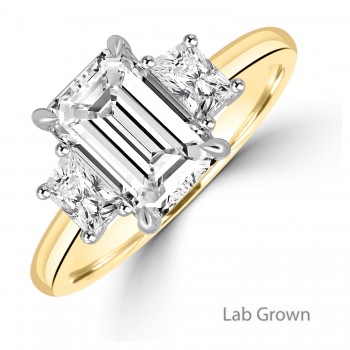
If you’re looking into engagement rings, wedding rings, or wedding bands, you may have come across lab-grown diamonds and wondered, “Are lab-grown diamonds real?” With so many options now available, it’s natural to question what makes a diamond authentic, especially when traditional diamonds have long held cultural significance as symbols of love and commitment.
This guide will address what lab-grown diamonds are, how they’re made, and why they are virtually identical to mined diamonds. By the end, you’ll have a clearer understanding of how lab-grown diamonds compare to natural ones and why they’re gaining popularity in the UK among those seeking beautiful, high-quality rings.
What Are Lab-Grown Diamonds?
Lab-grown diamonds, sometimes called synthetic or man-made diamonds, are created in a laboratory environment. Using advanced technology, scientists replicate the intense conditions in which natural diamonds form deep within the Earth. There are two primary methods used to grow diamonds in a lab:
- Chemical Vapour Deposition (CVD): This process starts with a thin diamond “seed” placed inside a chamber filled with carbon-rich gases. These gases are then broken down, allowing carbon atoms to attach to the seed, building up a diamond layer by layer.
- High-Pressure, High-Temperature (HPHT): In this method, a press applies intense pressure and heat to carbon, replicating the conditions found in the Earth’s mantle. This process creates diamonds in a way similar to natural formation.
Both CVD and HPHT create diamonds that are visually, chemically, and physically identical to those mined from the Earth.
Are Lab-Grown Diamonds Really Diamonds?
Yes, lab-grown diamonds are indeed real diamonds. They have the same chemical composition, crystal structure, and physical properties as natural diamonds. The only difference is their origin: one is created in a lab, while the other forms over millions of years underground.
What Defines a Real Diamond?
Diamonds are defined by their specific crystal structure and chemical composition. Diamonds consist of carbon atoms arranged in a crystal lattice, giving them their remarkable hardness, durability, and brilliance. Lab-grown diamonds share this exact structure, making them identical to natural diamonds in all meaningful ways.
The Four Cs: Cut, Colour, Clarity, and Carat
Lab-grown diamonds, like natural diamonds, are graded according to the Four Cs: cut, colour, clarity, and carat weight. These grading criteria are the same for both, and lab-grown diamonds can achieve the same high-quality ratings as mined diamonds, depending on the manufacturing process and quality control.
Are Lab-Grown Diamonds Recognised by Experts?
Lab-grown diamonds are recognised by gemmological institutes and can be certified by reputable laboratories, including the Gemmological Association Of Great Britain (Gem-A) and the International Gemological Institute (IGI). These institutions provide detailed reports that assess the cut, colour, clarity, and carat weight of lab-grown diamonds, giving buyers confidence in their authenticity and quality.
Gemmological certificates for lab-grown diamonds will note that they were created in a lab to clarify their origin. However, in terms of physical, chemical, and optical properties, lab-grown diamonds are identical to mined diamonds.
Why Choose Lab-Grown Diamonds?
For many UK buyers, lab-grown diamonds are appealing not only for their beauty but also for the benefits they offer over mined diamonds.
1. Ethics and Sustainability
Lab-grown diamonds are often seen as a more ethical choice than mined diamonds. Diamond mining can lead to environmental harm and sometimes involves human rights issues. Lab-grown diamonds bypass these challenges, offering a more environmentally and socially conscious option.
2. Affordability
Lab-grown diamonds are generally more affordable than natural diamonds, often costing 20-40% less, depending on size and quality. This price difference allows couples to choose a larger or higher-quality diamond without the higher costs associated with mining.
3. Identical Beauty and Durability
As real diamonds, lab-grown stones possess the same beauty and durability as mined diamonds. They have the same sparkle, brilliance, and hardness, making them perfect for engagement rings and wedding bands that will be worn daily.
Common Myths About Lab-Grown Diamonds
To further clarify, let’s address a few common myths surrounding lab-grown diamonds.
Myth #1: Lab-Grown Diamonds Are Fake
Lab-grown diamonds are not imitation diamonds; they are real diamonds with the same properties as natural diamonds. Diamond simulants like cubic zirconia and moissanite mimic the look of diamonds but differ in chemical composition. Lab-grown diamonds, however, are chemically identical to mined diamonds.
Myth #2: Lab-Grown Diamonds Don’t Hold Their Value
While lab-grown diamonds may have a lower resale value than mined diamonds, most diamonds, regardless of origin, are not considered high-value investments. Lab-grown diamonds hold value in terms of beauty, sentiment, and symbolism, which many buyers prioritise over resale potential.
Myth #3: Lab-Grown Diamonds Look Different from Mined Diamonds
Lab-grown diamonds are visually identical to mined diamonds. They exhibit the same fire, sparkle, and colour, making them indistinguishable. In fact, even trained jewellers often need specialised equipment to differentiate between them.
Are Lab-Grown Diamonds Right for You?
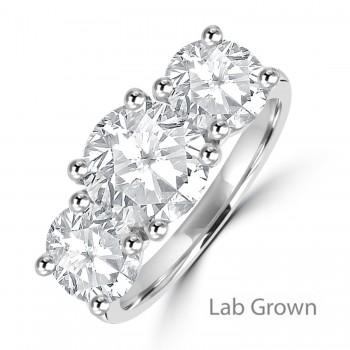
If you’re seeking a beautiful, high-quality gemstone that combines the allure of a traditional diamond with the benefits of affordability and ethics, lab-grown diamonds may be the ideal choice.
Lab-grown diamonds have become increasingly popular among those who want the authentic diamond experience without the environmental or ethical concerns. Whether you’re purchasing an engagement ring, wedding ring, or wedding band, lab-grown diamonds make a stunning, meaningful choice for your love story.
While lab-grown diamonds may have a lower resale value than mined diamonds. Lab-grown diamonds hold value in terms of beauty, sentiment, and symbolism, which many buyers prioritise over resale potential.
For those in the UK interested in purchasing lab-grown diamond rings, we recommend exploring our collection of lab-grown diamond engagement rings, wedding rings, and wedding bands has something to suit every style and preference.
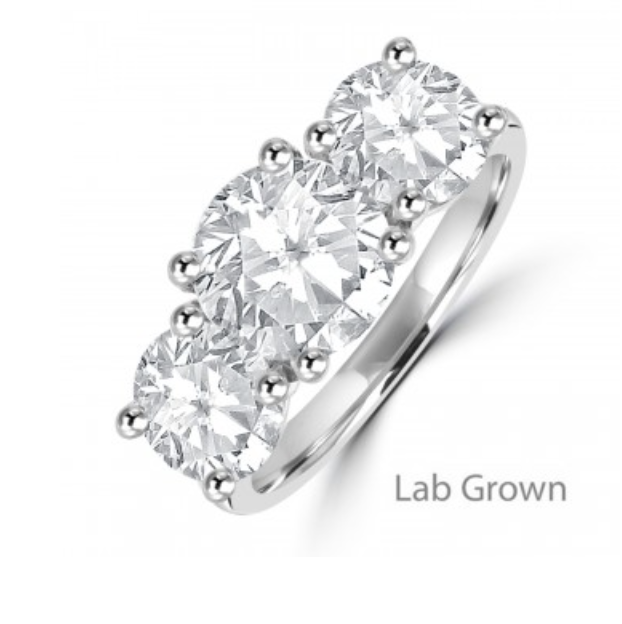
Platinum Three-stone Lab Grown 4.35ct Diamond ring
This “hugely” impressive three-stone is comprised of a prominent 2.07ct centre, flanked with a 1.15ct and 1.13ct on either side. Each laboratory grown diamond is individually certified by IGI
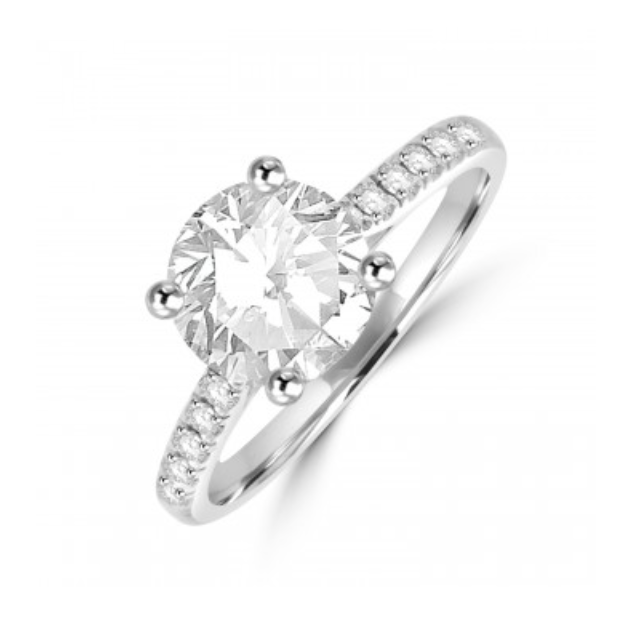
Platinum Solitaire Di1 Diamond ring
A hugely impressive 1.90ct brilliant cut, carefully handpicked for its desirable aesthetics and unparalled value. Positioned in a 4-claw setting with fine, tapered shoulders that add a further .20ct diamond to this dazzling spectacle of a ring.
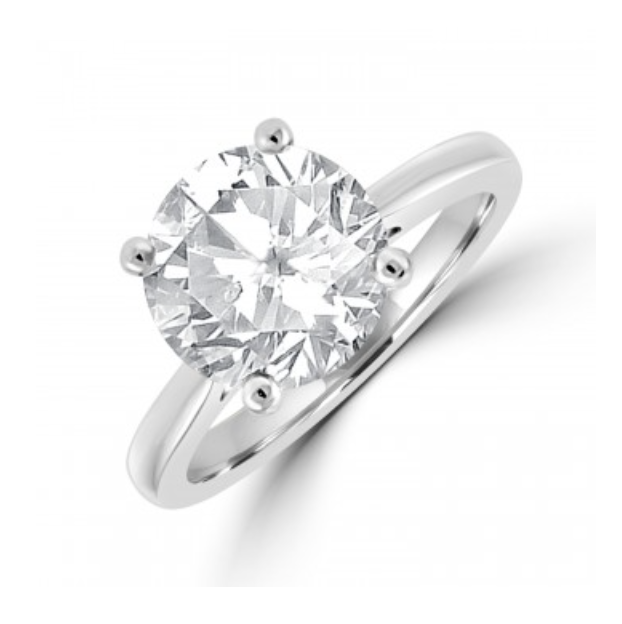
Platinum Solitaire 3.45ct Diamond Ring
Independently Certified and weight almost three and a half carat, this hugely impressive brilliant cut needs to be seen to be appreciated.
The affiliation of Ellisons Jewellers Belfast and Cahoons Jewellers Cookstown brings together two of the leading jewellers in Northern Ireland. Not only does it merge years of experience but our customers benefit from one of the largest and most expansive jewellery selections in the country. Ellisons is located in Belfast City Centre, granting residents and visitors the convenience of having one of the leading jewellery shops in Belfast right on their doorstep. Cahoons is situated in the busy market town of Cookstown – anyone looking for jewellers in Northern Ireland can benefit from an easily accessible, central location of Cookstown.