Defining Lab-Grown Diamonds
Lab-grown diamonds, also referred to as synthetic or cultured diamonds, are made using advanced technology that replicates the natural diamond formation process. These diamonds consist of pure carbon atoms arranged in a crystalline structure.
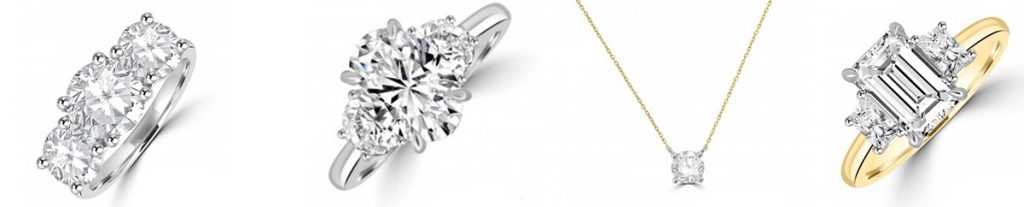
The Science Behind Diamond Creation
Diamonds, whether natural or lab-grown, are fascinating structures composed of pure carbon. Understanding the science behind their creation helps us appreciate the complexity and innovation involved in lab-grown diamond production.
The Structure of a Diamond
Diamonds have a unique arrangement of carbon atoms in a tetrahedral lattice, which gives them unmatched hardness and brilliance. This structure forms under immense pressure and heat.
Carbon: The Building Block of Diamonds
The raw material for diamonds is carbon. In natural settings, this carbon comes from organic material deep within the Earth. In labs, it is derived from purified graphite or methane gas.
Methods Used to Create Lab-Grown Diamonds
There are two primary methods for producing lab-grown diamonds: High Pressure High Temperature (HPHT) and Chemical Vapor Deposition (CVD). Each method replicates diamond formation in distinct ways.
High Pressure High Temperature (HPHT) Method
Process Overview:
The HPHT method recreates the intense heat and pressure found deep within the Earth. Carbon is placed inside a press that exerts temperatures of over 1,500°C and pressures of 1.5 million pounds per square inch.
Advantages and Challenges:
HPHT is ideal for creating larger diamonds and coloured diamonds. It requires precise control and advanced equipment to ensure consistent quality.
Chemical Vapor Deposition (CVD) Method
How It Works:
CVD involves placing a diamond “seed” in a vacuum chamber filled with carbon-rich gas. The gas is heated to form a plasma, causing carbon atoms to deposit layer by layer on the seed, gradually forming a diamond.
Comparisons to HPHT:
While CVD offers greater control over diamond size and quality, it is complemented by HPHT for specific applications, such as creating certain colours.
Raw Materials Used in Lab-Grown Diamonds
Every lab-grown diamond begins with specific materials carefully chosen to ensure quality and consistency.
Source of Carbon
Methane gas or graphite serves as the primary source of carbon for lab-grown diamonds. The purity of the carbon directly influences the diamond’s quality.
Growth Substrates
A small diamond “seed”—a fragment of a pre-existing diamond—is used as the base for growth. This substrate provides the foundation for the crystalline structure.
The Role of Technology in Diamond Growth
Advances in technology are at the heart of lab-grown diamond production. From reactors to software, cutting-edge innovations have transformed the industry.
Advances in Reactor Design
Modern reactors can precisely control temperature, pressure, and gas flow, ensuring uniform diamond growth.
Precision Temperature and Pressure Control
Maintaining stability is critical for producing high-quality diamonds. Even minor fluctuations can lead to imperfections or halted growth.
Timeframes for Diamond Creation
Growing a diamond in a lab is a time-intensive process that requires patience and precision.
How Long Does It Take to Grow a Diamond?
Depending on the method and size, lab-grown diamonds can take weeks to months to form. HPHT methods tend to be quicker, whereas CVD allows for more detailed control.
Factors Affecting Growth Time
Variables such as temperature, pressure, and the desired size of the diamond influence the growth period.
Lab-Grown Diamond Colours and Variations
Lab-grown diamonds can be created in a range of colours, adding to their appeal for unique jewellery designs.
Understanding Colour Origins
Natural inclusions or the addition of elements like boron (blue) and nitrogen (yellow) determine a diamond’s colour during the growth process.
How Colours Are Induced During Growth
By manipulating the environment, scientists can produce diamonds with specific colours, catering to different tastes and styles.
Quality Control in Lab-Grown Diamonds
Ensuring the quality of lab-grown diamonds involves rigorous testing and certification.
Inspection and Grading Processes
Lab-grown diamonds undergo detailed inspections to assess cut, clarity, carat, and colour.
How Quality Standards Match or Exceed Expectations
Lab-grown diamonds often achieve higher quality grades due to their controlled production environment.
Applications of Lab-Grown Diamonds Beyond Jewellery
While most people associate diamonds with jewellery, they have numerous industrial and technological applications.
Industrial Uses
Lab-grown diamonds are used in cutting tools, lasers, and semiconductors due to their hardness and thermal conductivity.
Innovations in Technology Using Diamonds
Diamonds are integral to quantum computing, advanced optics, and medical imaging technologies.
Common Misconceptions About Lab-Grown Diamonds
Despite their popularity, lab-grown diamonds are often misunderstood.
Are They ‘Fake’?
Lab-grown diamonds are real diamonds. They share the same chemical and physical properties as natural diamonds.
Notice: Lab-grown diamonds may have a lower resale value than mined diamonds, but they hold significant value in terms of beauty, sentiment, and symbolism. Natural diamonds, with their rarity and enduring legacy, often retain value over time, making them a timeless choice for many.
We proudly offer both natural and lab-grown diamonds, allowing you to select the option that best aligns with your values and vision for a truly special piece of jewellery.
FAQs
- How Are Lab-Grown Diamonds Different from Cubic Zirconia?
Lab-grown diamonds are real diamonds, unlike cubic zirconia, which is a synthetic substitute. - Can Lab-Grown Diamonds Be Certified?
Yes, they are graded and certified by reputable gemological institutes. - How Long Does It Take to Make a Lab-Grown Diamond?
Typically, it takes 2–4 weeks, depending on the size and method used. - What Colours Are Available in Lab-Grown Diamonds?
Lab-grown diamonds come in various colours, including white, yellow, blue, and pink.