As a jewellery store with over a century of tradition, we’ve seen trends come and go, but one question remains constant: what truly makes a diamond special? Recently, lab-grown diamonds have entered the spotlight, captivating attention with their scientific innovation and attractive price points. But are lab-grown diamonds real? Let’s delve into the details to uncover the truth behind the sparkle.
What Are Lab-Grown Diamonds?
Lab-grown diamonds, also known as synthetic or man-made diamonds, are created in controlled laboratory environments using advanced technological processes. These processes mimic the natural conditions under which diamonds form deep within the Earth’s crust – high pressure and high temperature. The result is a diamond that shares the same chemical composition and physical properties as a natural diamond.
Essentially, lab-grown diamonds are made of carbon atoms arranged in a crystal structure, just like natural diamonds. They’re cut, polished, and graded using the same standards as natural diamonds, which means they’re visually and chemically indistinguishable from their mined counterparts to the untrained eye.
Are Lab-Grown Diamonds “Real”?
The short answer is yes – lab-grown diamonds are real diamonds. Unlike diamond simulants such as cubic zirconia or moissanite, which only mimic the appearance of diamonds, lab-grown diamonds are identical to natural diamonds in terms of their chemical structure and physical properties.
However, while they’re chemically identical, lab-grown diamonds differ fundamentally in their origin. Natural diamonds are formed over billions of years deep within the Earth, shaped by time and nature. In contrast, lab-grown diamonds are produced within weeks or months in a laboratory. It’s this distinction in origin that has sparked much of the debate surrounding their value and authenticity.
The Appeal of Lab-Grown Diamonds
Lab-grown diamonds have gained popularity for several reasons, particularly among budget-conscious and eco-conscious consumers. Here are some key factors driving their appeal:
- Affordability: Lab-grown diamonds typically cost 20-40% less than natural diamonds of similar size and quality. This makes them an attractive option for couples seeking a larger stone or more elaborate designs without exceeding their budget.
- Ethical Considerations: For those concerned about the ethical implications of diamond mining, lab-grown diamonds present a conflict-free alternative. Because they’re created in controlled environments, they eliminate concerns over unethical labour practices or the potential for sourcing from conflict zones.
- Sustainability: Many lab-grown diamond producers tout their products as a more sustainable option, citing reduced environmental impact compared to traditional mining practices. However, it’s worth noting that producing diamonds in a lab still requires significant energy, much of which may come from non-renewable sources.
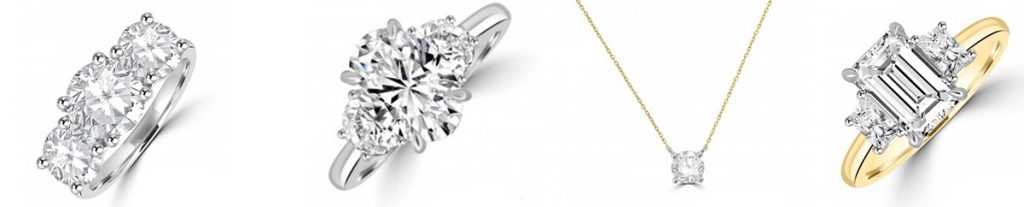
Why Natural Diamonds Hold Their Timeless Appeal
While lab-grown diamonds have carved out a niche in the market, natural diamonds remain the ultimate symbol of love and commitment for many reasons:
- A Story Billions of Years in the Making: Natural diamonds are treasures of the Earth, formed over billions of years under immense pressure and heat. Each natural diamond is a unique creation, shaped by geological processes that began long before humanity existed. Owning a natural diamond is akin to owning a piece of Earth’s history.
- Emotional and Symbolic Value: For many couples, the origin of a diamond adds to its sentimental value. A natural diamond carries a romantic allure that a lab-grown alternative simply cannot replicate. It’s not just a stone; it’s a symbol of enduring love, shaped by time and nature.
- Rarity and Investment Value: Natural diamonds are finite resources, making them inherently rare. This rarity contributes to their lasting value, both emotionally and financially. Lab-grown diamonds, on the other hand, are not limited by nature and can be produced in virtually unlimited quantities, which may impact their long-term value.
- Heritage and Tradition: As a jewellery store with over 100 years of experience, we’ve seen generations of families choose natural diamonds for their most cherished milestones. The heritage and tradition associated with natural diamonds make them a timeless choice for engagement rings and heirloom pieces.
How to Tell the Difference Between Lab-Grown and Natural Diamonds
Even though lab-grown diamonds are chemically identical to natural diamonds, there are ways to differentiate between the two – though not by sight alone. Specialised equipment can detect subtle differences in growth patterns and inclusions:
- Inclusions: Natural diamonds often have organic inclusions that reflect their geological formation. Lab-grown diamonds, on the other hand, may have metallic inclusions from the manufacturing process.
- Certification: Reputable jewellers provide certification for all diamonds, whether natural or lab-grown. Certificates from grading laboratories like GIA (Gemological Institute of America) or IGI (International Gemological Institute) will specify the diamond’s origin.
- UV Fluorescence: Under ultraviolet light, some lab-grown diamonds display fluorescence patterns that differ from natural diamonds. However, this method requires professional equipment.
Making the Right Choice for Your Engagement Ring
Choosing between a natural diamond and a lab-grown diamond ultimately comes down to personal values, budget, and priorities. Here are a few tips to help you decide:
- Set Your Budget: If budget is a primary consideration, lab-grown diamonds offer an affordable way to maximise size and sparkle. However, natural diamonds are a worthwhile investment for those seeking a lasting heirloom.
- Consider Emotional Value: For many, the romantic appeal of a natural diamond outweighs the cost. If you value tradition and the story behind a diamond’s formation, a natural diamond is the ideal choice.
- Think Long-Term: While lab-grown diamonds are currently in vogue, their long-term value remains uncertain. Natural diamonds, with their enduring rarity, retain their worth and appeal over time.
- Prioritise Ethical Sourcing: If ethical concerns are a priority, choose a natural diamond from a trusted jeweller that guarantees conflict-free sourcing. This way, you can enjoy the beauty of a natural diamond with a clear conscience.
Why Choose Us for Your Engagement Ring?
As a jeweller with over a century of history, we pride ourselves on our exceptional service, personal touch, and carefully curated selection of diamonds. Whether you choose a natural diamond or a lab-grown alternative, we’re here to guide you through every step of the process.
We believe in helping you find the perfect engagement ring that reflects your unique love story. Our natural diamonds are responsibly sourced, ensuring both quality and integrity. With us, you’re not just purchasing a ring – you’re creating a memory that will last a lifetime.
The Bottom Line
Yes, lab-grown diamonds are real diamonds, but they differ in origin and symbolism compared to natural diamonds. While they offer affordability and ethical appeal, natural diamonds remain a timeless and unparalleled choice for those seeking a piece of Earth’s history and a symbol of enduring love.
Ultimately, the choice is yours. Whether you opt for a natural diamond or a lab-grown one, the most important thing is that your engagement ring reflects your love and commitment. And with our expertise and dedication, we’re here to help you make that choice with confidence.
Notice: Lab-grown diamonds may have a lower resale value than mined diamonds, but they hold significant value in terms of beauty, sentiment, and symbolism. Natural diamonds, with their rarity and enduring legacy, often retain value over time, making them a timeless choice for many.
We proudly offer both natural and lab-grown diamonds, allowing you to select the option that best aligns with your values and vision for a truly special piece of jewellery.