For well over a century, our jewellery store has been privileged to help countless couples and families celebrate life’s most cherished moments. In that time, we’ve witnessed trends come and go—but one thing remains constant: diamonds are still among the most sought-after symbols of love and commitment. Today, a new contender has entered the conversation: lab-grown diamonds. They’re often billed as modern, ethical, and cost-effective alternatives to natural stones. But, as with any major purchase, it’s essential to understand the bigger picture. Are lab-grown diamonds truly the best choice, or is there a hidden catch?
In this blog, we’ll explore the ins and outs of lab-grown diamonds—how they’re made, how they compare to natural diamonds, and the broader implications of choosing one over the other. If you value tradition, investment potential, and a story that spans millions (if not billions) of years, this information will help clarify whether lab-grown stones align with your vision.
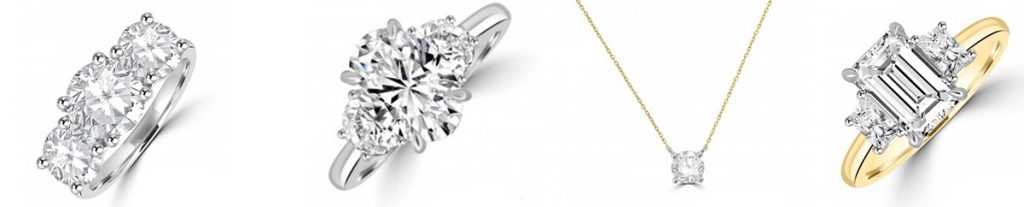
What Are Lab-Grown Diamonds?
Lab-grown diamonds, sometimes known as synthetic, man-made, or cultured diamonds, are created using advanced technology that replicates the conditions under which natural diamonds form. Instead of waiting millennia for intense heat and pressure to transform carbon into a dazzling gemstone, scientists accomplish the feat in a laboratory setting, often in just a matter of weeks.
There are two main methods of producing lab-grown diamonds:
- High-Pressure High-Temperature (HPHT): In this process, a diamond “seed” is placed under extreme pressure and heat, mimicking the environment deep within the Earth. Carbon atoms bond onto the seed, layer by layer, forming a new diamond crystal.
- Chemical Vapor Deposition (CVD): This method places a seed diamond in a vacuum chamber filled with carbon-rich gases. Under precisely controlled temperatures, the gases break down, and carbon is deposited onto the seed, gradually building up the crystal structure.
Both methods yield diamonds that are chemically, physically, and optically identical to natural diamonds. However, the process is artificially accelerated, eliminating the geological element that lends natural diamonds their storied past and inherent rarity.
The Modern Appeal: Why People Choose Lab-Grown Diamonds
Lab-grown diamonds have surged in popularity, especially among younger consumers who value cost savings, sustainability claims, and a transparency of origin. Here are a few primary reasons for this modern appeal:
- Cost-Effectiveness: Lab-grown diamonds can be more affordable than natural diamonds of comparable size and quality. The reduced cost can allow couples to opt for a larger stone or a more elaborate ring design without stretching their budget.
- Ethical Assurance: For shoppers concerned about conflict diamonds or dubious mining practices, lab-grown diamonds can offer peace of mind. Because these diamonds are produced in a controlled environment, there’s no risk of inadvertently supporting unethical labour conditions. Additionally, many labs promote themselves as eco-conscious, though the reality of energy usage can be more complex.
- Consistent Supply: Natural diamonds are subject to the luck of the Earth’s geological processes and market demand, sometimes making them scarce or expensive. Lab-grown diamonds can be produced on demand, ensuring availability in a wide range of shapes, sizes, and colours.
Natural Diamonds: Timeless Elegance and Deep-Rooted Value
While lab-grown diamonds shine in certain areas, natural diamonds retain their preeminence for a reason. Their formation—a process that takes place over billions of years deep within the Earth—is part of what makes them a potent symbol of eternity. Each natural diamond is truly unique, shaped by forces beyond human control.
Rarity and Investment: One of the reasons natural diamonds have maintained their status for generations is their relative scarcity. This scarcity has historically translated into enduring value. Although market conditions fluctuate, natural diamonds are commonly regarded as longer-term investments, especially if they’re of high quality and carry reputable certification (such as GIA or AGS).
Emotional and Historical Significance: Many couples find the ancient story of a natural diamond profoundly romantic. It’s a gem shaped over eons, uncovered and polished by expert hands—an apt metaphor for a love that grows stronger over time. Families often pass down diamond jewellery as heirlooms, connecting generations through a tangible piece of Earth’s distant past.
Sustainability and Ethical Sourcing: While concerns about conflict diamonds once loomed large, the diamond industry has made significant strides in transparency and responsible sourcing. Frameworks like the Kimberley Process help ensure that rough diamonds come from conflict-free regions. Reputable jewellers go further, demanding thorough audits of their supply chains and seeking out ethically responsible mines. If you opt for a natural diamond, it’s entirely possible to find one that meets high ethical and environmental standards.
Are Lab-Grown Diamonds as Durable?
In terms of hardness and resistance to scratches, lab-grown diamonds are structurally identical to natural diamonds. Both rate a 10 on the Mohs scale, meaning only another diamond can scratch them. This indicates that everyday wear—like knocking your ring against a countertop or keys in your pocket—will likely leave no mark.
However, durability also encompasses factors such as sentimental value, resale potential, and longevity within your personal narrative. Natural diamonds carry an added layer of durability in terms of their market track record and heirloom appeal. Lab-grown diamonds, while physically resilient, may not retain the same long-term worth, given that their supply can be easily scaled up.
The Catch: Long-Term Value and Heritage
The central “catch” of lab-grown diamonds often revolves around long-term value and heritage. Here are some considerations:
- Resale Value: Because lab-grown diamonds can be mass-produced, there’s less rarity to sustain their resale value. If technology enables faster, cheaper production of lab-grown diamonds in the future, previously purchased stones might lose value.
- Heirloom Potential: Many couples purchase engagement rings as a piece of family heritage, something to pass down through generations. Natural diamonds have a long history of being cherished heirlooms. Lab-grown diamonds, by contrast, lack that geological story, which some feel diminishes their romantic or sentimental worth.
- Market Perception: While lab-grown diamonds are increasingly recognized, the jewellery market still tends to favour natural diamonds for their mystique and enduring allure. If you hope that your diamond will hold steady in desirability over the decades, a natural diamond may still be the safer bet.
Key Factors to Guide Your Decision
When deciding between a lab-grown diamond and a natural diamond, consider these vital factors:
- Budget: If budget constraints lead you to choose a lab-grown diamond, you can secure a larger, higher-quality stone for your money. This might be ideal for couples just starting out.
- Personal Values: If you’re deeply concerned about ethical sourcing, know that both lab-grown and responsibly mined natural diamonds can meet stringent ethical standards. Research and transparency are crucial.
- Emotional Resonance: Some individuals love the concept of a diamond formed over eons inside the Earth. Others appreciate the modern, tech-forward ethos of a lab-grown stone. Which story resonates more with you?
- Future Plans: If you view your ring as an investment or hope it becomes a treasured family piece, note that natural diamonds usually have stronger resale and heirloom potential.
- Certification: Whichever path you choose, ensure that your diamond comes with grading and certification from a reputable lab (e.g., GIA, IGI, AGS). This guarantees you know exactly what you’re getting in terms of quality.
Our Perspective: Timeless Beauty, Personalized Service
As a jewellery business with over 100 years of history, we pride ourselves on offering personalized, friendly service. Our store has helped generations of couples find the perfect ring—often choosing natural diamonds for their timeless appeal and enduring value. While we do acknowledge the merits of lab-grown diamonds, especially for those who prioritize affordability or transparency, our experience has shown that many of our customers ultimately gravitate toward the emotional significance and storied heritage of natural diamonds.
Here’s how we can help you make your decision:
- Education First: Whether you’re leaning toward lab-grown or natural, we’ll walk you through the nuances, pros, and cons of each option.
- Carefully Curated Selections: We source our diamonds—particularly our natural gems—meticulously, ensuring ethical and quality standards.
- Custom Craftsmanship: Our in-house artisans excel at creating rings that reflect each couple’s unique style, whether you opt for a modern solitaire or a vintage-inspired design.
- Ongoing Support: From ring maintenance to resizing, we’re here for every stage of your jewellery’s life.
Final Thoughts: The Modern Choice… with a Catch
There’s no doubt that lab-grown diamonds have revolutionized the diamond market. They offer a contemporary, cost-effective route to a dazzling engagement ring, with the peace of mind that comes from knowing your stone is conflict-free by origin. Yet, when you peel back the layers, it becomes clear that long-term value and sentimental depth might be compromised.
For many couples, an engagement ring is one of the most significant and emotional purchases they’ll ever make. A natural diamond carries a unique, ancient story—a representation of Earth’s grandeur and your new chapter together. Lab-grown diamonds, conversely, speak to modern innovation, budget-savviness, and a forward-thinking approach.
Which is right for you? Only you can decide. Our role is to ensure you have all the facts so that your choice—be it a lab-grown diamond or a natural one—reflects both your values and your love story. If you have questions, would like to compare stones side-by-side, or need guidance on ring settings and styles, we’re here to help. With over a century of experience, we promise more than just a sale; we promise a relationship built on trust, authenticity, and personal attention.
In the end, a diamond’s true brilliance lies in what it represents: a bond that sparkles through every joy and challenge. Whether you choose the ancient mystique of a natural diamond or the modern clarity of a lab-grown stone, your ring should capture your shared dreams and the warmth of the moment you say “yes” to forever.