When it comes to finding the perfect engagement ring, one of the top concerns many couples share is durability. After all, an engagement ring is more than just a piece of jewellery—it’s a symbol of love and commitment that’s meant to last a lifetime (and beyond). Recently, lab-grown diamonds have entered the conversation, touted as a more affordable and sustainable alternative to natural diamonds. Yet, a key question remains: Are lab-grown diamonds as durable as natural diamonds?
As a family-owned jewellery business that has served our community for over 100 years, we’ve guided countless couples through life-changing jewellery purchases. While we predominantly offer natural diamonds, we believe it’s important to provide honest information about all the options out there—lab-grown diamonds included. In this blog, we’ll take a close look at whether lab-grown diamonds can match the durability of their natural counterparts, and explore the factors you should consider before making your choice.
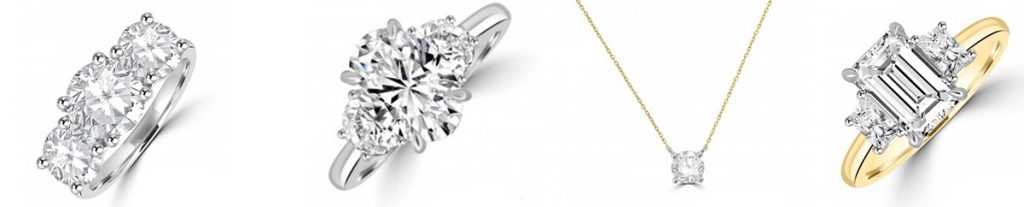
The Science of Diamond Durability
To understand what makes a diamond durable, we need to explore its basic characteristics. Diamonds—whether natural or lab-grown—are composed of carbon atoms arranged in a lattice structure. This structure grants diamonds their famous hardness, earning them a 10 on the Mohs scale of mineral hardness. Simply put, if you’re looking for a scratch-resistant gemstone, you won’t find any natural mineral that’s harder than a diamond.
Hardness vs. Toughness
It’s important to distinguish between hardness and toughness. Hardness refers to a material’s ability to resist scratching; in other words, a diamond can only be scratched by another diamond. Toughness, on the other hand, measures a material’s ability to resist chipping or breaking when struck. Diamonds, while extremely hard, can still chip or fracture if subjected to a strong impact at the right angle.
That being said, both lab-grown and natural diamonds share the same chemical composition and crystal structure, meaning they’re identical in terms of hardness. In lab conditions, the same processes that form diamonds in the Earth—high heat and pressure—are replicated to produce a similarly structured stone. Essentially, if you’re worried about everyday wear and tear, both lab-grown and natural diamonds fare exceptionally well, particularly in terms of scratch resistance.
Lab-Grown Diamonds: The Basics
Lab-grown diamonds, sometimes called synthetic or man-made diamonds, are produced in highly controlled laboratory environments. There are two primary methods:
- High-Pressure High-Temperature (HPHT): Mimics the Earth’s natural process by applying extreme pressure and heat to a ‘diamond seed.’
- Chemical Vapor Deposition (CVD): Uses a diamond seed placed in a chamber filled with carbon-rich gases, depositing layers of carbon atoms that bond to the seed.
In both methods, the result is a diamond composed of pure carbon, just like one formed naturally underground. Visually, chemically, and physically, these stones are extremely similar to diamonds mined from the Earth.
Where Durability Comes into Play
Although lab-grown diamonds are, by most measures, just as hard as natural diamonds, there are still some subtle factors that can influence a diamond’s overall durability.
1. Inclusions and Flaws
Both lab-grown and natural diamonds can have inclusions—tiny imperfections within the stone. In natural diamonds, these inclusions might be small minerals or fractures resulting from the tumultuous process of formation deep within the Earth. In lab-grown diamonds, inclusions can form due to metallic flux or irregularities in the growth process.
While inclusions don’t necessarily render a diamond any less structurally sound in everyday wear, they can provide weak points if the stone suffers a significant impact. However, such scenarios are rare, and many diamonds—lab-grown or natural—are cut, polished, and graded to minimize the impact of inclusions on both beauty and resilience.
2. Cut Quality
A diamond’s cut plays a crucial role in its structural integrity. A well-cut diamond, whether natural or lab-grown, will have a shape that helps protect vulnerable points (like the edges and corners) and disperses stress. Poorly cut diamonds, on the other hand, can be more susceptible to chipping and damage. Always look for a high-quality cut grade when shopping for a diamond to ensure maximum durability.
3. Setting Style
How a diamond is set in a ring can significantly affect its durability. Certain ring settings—like a bezel setting—encase the diamond’s edges, offering more protection. A prong setting, while popular for showcasing more of the stone’s surface, leaves the diamond’s corners exposed. If you’re concerned about your diamond’s long-term resilience, consider discussing secure setting options with your jeweller.
Beyond Physical Durability: Emotional, Symbolic, and Financial Factors
Durability isn’t just about withstanding scratches or chips. Engagement rings carry deep sentimental value—often becoming treasured family heirlooms. Thus, couples frequently wonder not only about a diamond’s physical durability but also its symbolic and financial longevity.
1. Symbolic Legacy
For many, the allure of a natural diamond lies in its incredible geological journey—formed billions of years ago, miles beneath the Earth’s surface. Owning a diamond that has endured epochs lends a sense of romance and permanence that’s tied to nature’s wonders. Lab-grown diamonds, while just as beautiful, don’t come with the same ancient origin story, which can be a deciding factor if you place a high value on a gemstone’s heritage.
2. Resale Value and Investment
Natural diamonds, primarily due to their scarcity, have historically maintained resale value over time. Lab-grown diamonds, by contrast, might not command the same level of interest in the secondary market because they can be produced in effectively unlimited quantities as technology advances. For couples who view their engagement ring as a potential family heirloom or investment piece, a natural diamond’s value retention can be significant. While lab-grown diamonds may hold sentimental value just as well, the financial aspect can diverge.
3. Ethical and Environmental Considerations
The lab-grown diamond industry positions itself as an ethical and eco-friendlier alternative to natural diamond mining. But the truth is somewhat nuanced. Mining practices have improved dramatically with many natural diamond suppliers adhering to strict standards, such as the Kimberley Process, to ensure conflict-free sourcing. Meanwhile, lab-grown diamond production can be energy-intensive, especially if powered by non-renewable energy sources. It’s vital to research the supply chain—both for natural and lab-grown diamonds—if sustainability is part of your criteria for durability.
Making Your Decision: What Truly Matters?
Ultimately, both lab-grown and natural diamonds are exceedingly durable from a practical standpoint. If you plan to wear your engagement ring daily (which most people do), you can rest assured that a well-set lab-grown diamond can withstand the rigours of everyday life, just like a natural diamond.
So how should you decide? Ask yourself these questions:
- What’s your budget? If you want a larger or higher-quality stone without breaking the bank, a lab-grown diamond’s lower price might be appealing.
- Do you value geological rarity? If the ancient origin story of a diamond—billions of years in the making—is crucial to you, a natural diamond offers that timeless charm.
- Is resale value important? If you’re considering your ring as a long-term investment or family heirloom, natural diamonds tend to hold their value better.
- Are eco-friendly and ethical concerns at the top of your list? Both lab-grown and responsibly mined natural diamonds can fit the bill, but you’ll need to dig into each supplier’s practices.
- What resonates with you emotionally? Sometimes, it comes down to how you feel when you imagine wearing that ring. Does the notion of an ancient gem enchant you, or do you prefer the idea of cutting-edge technology?
How We Can Help
At our jewellery store, we’ve spent over 100 years honing our expertise and forging lasting relationships with customers. Our commitment to friendly service and a personal touch has set us apart. Here’s what you can expect when you come to us:
- Expert Guidance: We’ll help you navigate the world of diamonds—lab-grown or natural—and ensure you understand each stone’s grading, origin, and unique characteristics.
- Quality Selection: We specialize in high-grade natural diamonds but also offer lab-grown options. No matter your preference, you’ll find a meticulously curated collection.
- Personalized Experience: We strive to match you with a ring that reflects your love story and lifestyle, whether that means an ethically sourced natural diamond or a lab-grown stone.
- Post-Purchase Support: Our relationship doesn’t end at the sale. We offer cleaning, resizing, and additional services to keep your ring looking its best for decades.
Final Thoughts
When it comes to durability in the physical sense, lab-grown diamonds stand toe-to-toe with natural diamonds. Both score the highest on the Mohs scale, both can be cut and graded to exquisite standards, and both can stand the rigours of everyday wear as an engagement ring.
That said, “durability” goes beyond resisting scratches or chips. It also encompasses a diamond’s lasting sentimental and financial value. Natural diamonds bring with them an irreplaceable sense of heritage and a proven track record of retaining market value. Lab-grown diamonds, though equally sparkling and less expensive, may not carry the same emotional or investment allure. But for some, the story of a modern, eco-conscious choice holds its own unique charm.
Ultimately, whether you opt for a lab-grown diamond or a natural stone should be guided by your personal values, aesthetic preferences, and budget. If you’d like more information—or to see both types of diamonds in person—we invite you to visit our store. With over a century’s worth of expertise, we can help you find a ring that’s physically resilient, ethically aligned, and deeply meaningful to you and your future spouse.